Solar Panels vs Air Source Heat Pumps: Which Is Right for Your Home?
If you are looking to make your home more efficient, reduce energy bills and move away from fossil fuels, solar panels and air source heat pumps are two of the most common options. Both can be excellent investments, but they do very different jobs.
Solar panels generate electricity for your home. An air source heat pump provides heating and hot water. That means the right choice depends on what problem you are trying to solve first.
For some homeowners, solar panels are the obvious starting point. For others, a heat pump will have the bigger impact. In many cases, the best long-term plan is to install both, but in the right order and with a proper assessment of the property first.
Quick answer: solar panels or an air source heat pump?
Choose solar panels first if your main priority is to reduce electricity bills, make better use of your roof space, power daytime appliances, charge an electric vehicle, or prepare for battery storage.
Choose an air source heat pump first if your boiler is ageing, your oil or gas heating costs are rising, or you want to replace fossil fuel heating with a low-carbon system.
Consider both together if you want a more joined-up home energy system. Solar panels can help generate electricity, while a heat pump uses electricity to provide heating and hot water. Add battery storage, and you may be able to use more of your own solar energy instead of buying it from the grid.
What do solar panels do?
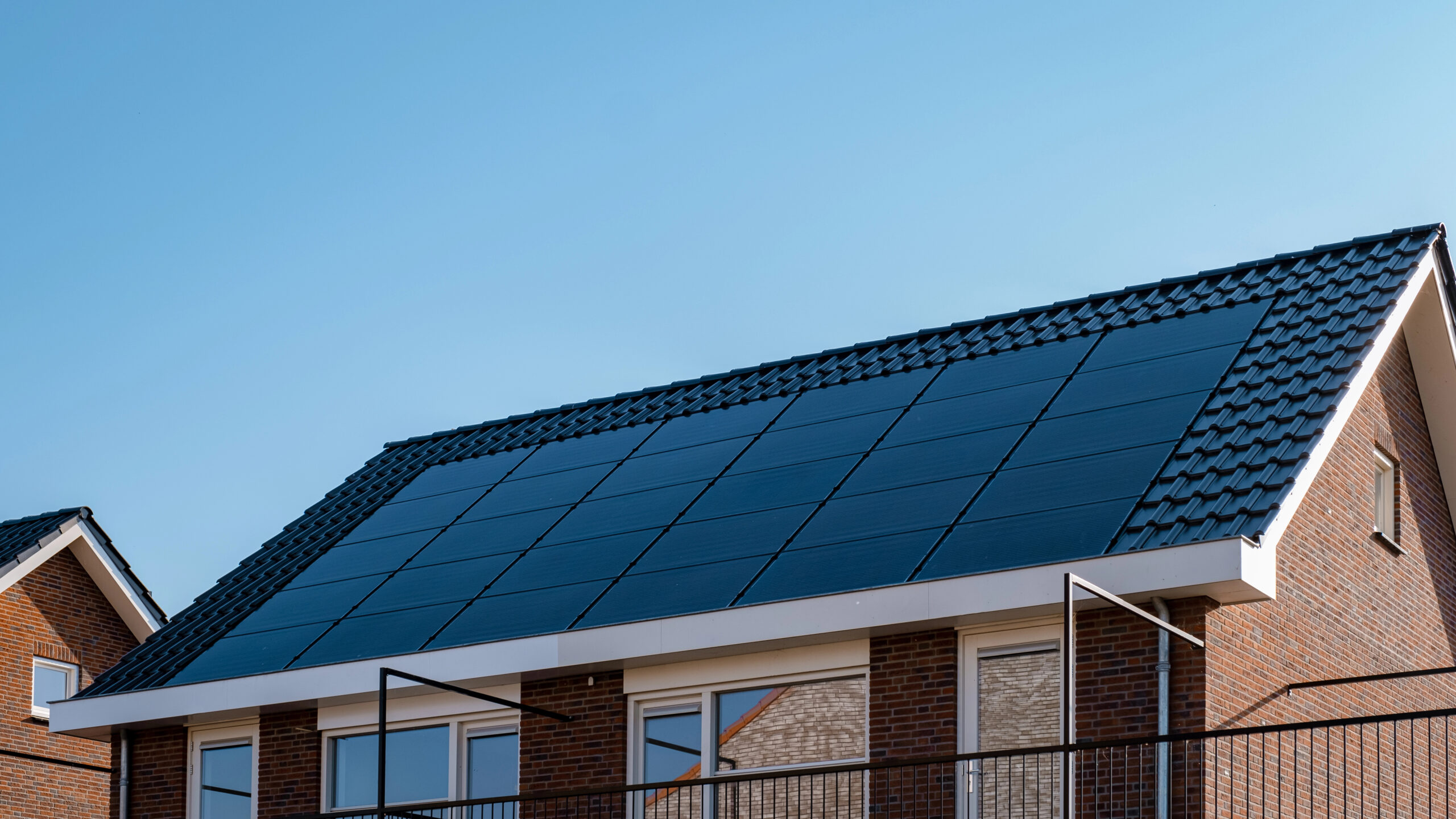
Solar panels, also known as solar PV panels, convert daylight into electricity. That electricity can be used to power appliances, lighting, an electric vehicle charger, battery storage, or other electrical systems in the home.
Solar panels do not need direct sunshine to work, although they perform best when they have good exposure, limited shading and a suitable roof orientation. A south-facing roof is often ideal, but east and west-facing roofs can still be effective depending on the property.
Solar panels may be a good option if:
- You have a suitable roof with enough space
- Your roof is not heavily shaded by trees, chimneys or nearby buildings
- You use a reasonable amount of electricity during the day
- You are considering battery storage
- You want to reduce reliance on grid electricity
- You are planning to add an electric vehicle charger or heat pump later
For homeowners in Uckfield, Crowborough, Heathfield and the surrounding villages, solar panel installation can be a strong first step towards a more efficient home, especially where the roof is suitable and electricity usage is high enough to make good use of the system.
What does an air source heat pump do?
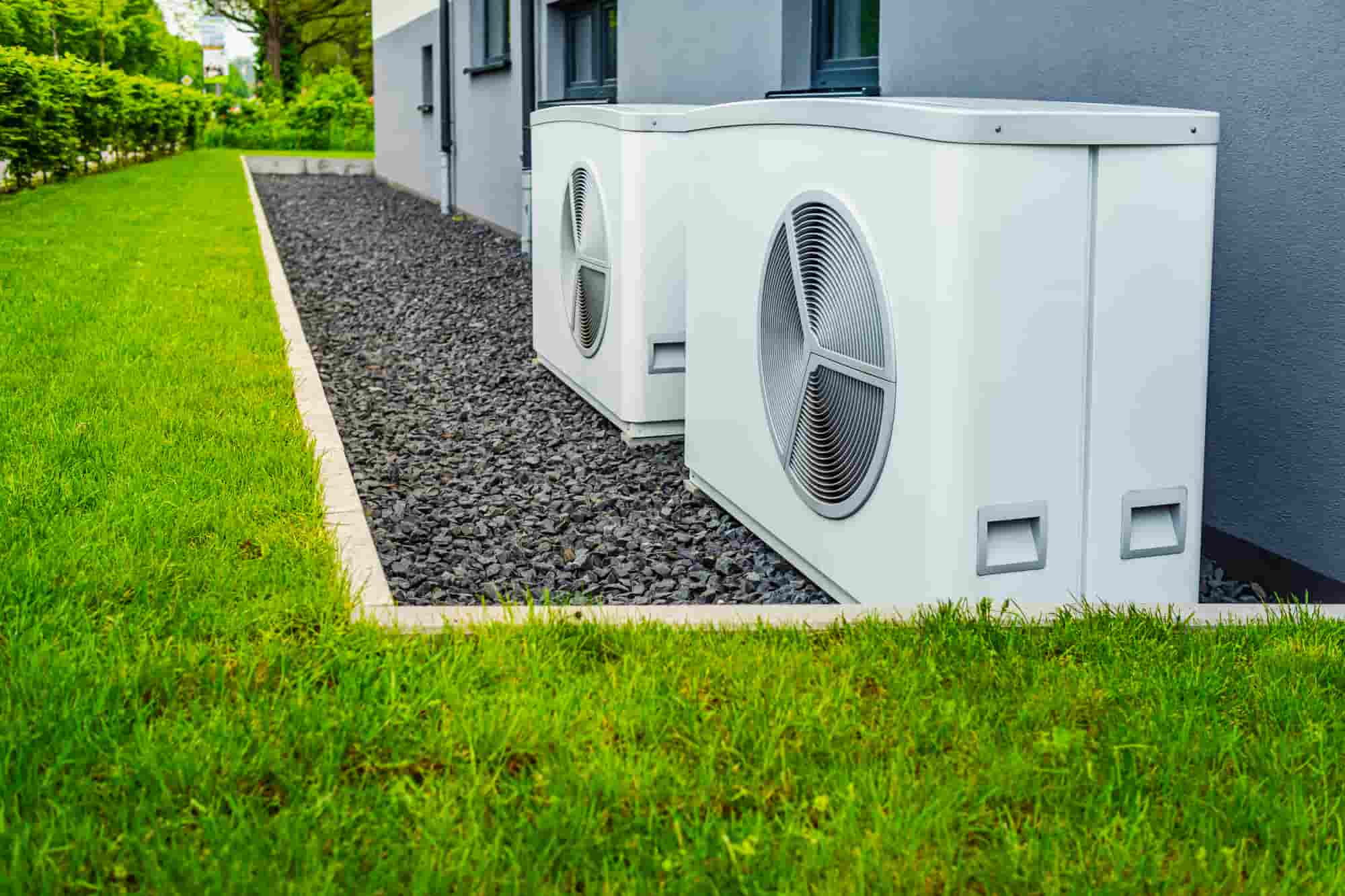
An air source heat pump extracts heat from the outside air and uses it to heat your home and hot water. It works differently from a traditional gas or oil boiler because it runs at lower temperatures for longer periods, rather than producing short bursts of high-temperature heat.
This means the design of the whole heating system matters. A heat pump needs to be properly sized and matched to the property, including the insulation, radiators, pipework, hot water cylinder and heat loss.
An air source heat pump may be a good option if:
- Your boiler is old, inefficient or becoming expensive to repair
- You currently rely on oil, LPG or older electric heating
- You want to reduce your use of fossil fuels
- Your home is reasonably well insulated, or you are willing to improve insulation
- You have space for an outdoor unit
- You have, or can make room for, a hot water cylinder
- You want a longer-term low-carbon heating solution
Village Heating provides air source heat pump installation, servicing and repairs for local homeowners, with proper assessment at the centre of the process. That assessment is important because a poorly designed heat pump system is unlikely to perform as well as it should, even if the technology itself is suitable.
Which one will save more money?
This depends on your home, energy use and existing system.
Solar panels usually reduce the amount of electricity you buy from the grid. The more solar electricity you use yourself, the greater the benefit. If you are out for most of the day, battery storage may help you use more of the electricity your panels generate.
An air source heat pump can reduce carbon emissions and may reduce running costs, especially if you are replacing oil, LPG or older electric heating. If you are replacing a modern mains gas boiler, the financial case can be more dependent on electricity tariffs, property efficiency and how well the system is designed.
The key point is this: solar panels reduce electricity costs, while a heat pump changes how your home is heated. They are not direct substitutes for each other.
When solar panels are the better first step
Solar panels may be the better first step if your existing heating system is still working well, but your electricity bills are high or you want to make better use of your roof.
They can also make sense if you are planning future upgrades. For example, solar panels installed now could later support:
- Battery storage
- An electric vehicle charger
- A heat pump
- Smart home energy management
- Time-of-use electricity tariffs
If your boiler still has several years of useful life, solar panels may allow you to start reducing energy costs while you plan a future heating upgrade.
When an air source heat pump should come first
An air source heat pump may be the better first step if your current heating system is the main problem.
For example, if your boiler is unreliable, expensive to run, or coming towards the end of its life, it may make sense to look at your heating options before investing in solar. This is especially true for homes using oil or LPG, where fuel costs can be more volatile and deliveries can be less convenient than mains energy.
A heat pump decision should always start with the property, not the product. Before recommending a system, an installer should look at:
- Heat loss
- Insulation levels
- Radiator sizes
- Pipework
- Hot water demand
- Outdoor unit location
- Cylinder space
- How you use heating day to day
The Boiler Upgrade Scheme may also help eligible homeowners with the cost of installing an air source heat pump, provided the installation meets the required standards.
Should you install both?
For many homeowners, solar panels and an air source heat pump work well together.
Solar panels generate electricity. A heat pump uses electricity to run. This means solar PV can help support the running of a heat pump, particularly during daylight hours. It will not remove the need to buy electricity from the grid completely, especially during winter when heating demand is higher and solar generation is lower, but it can form part of a more efficient home energy setup.
Battery storage can strengthen this further. A battery allows you to store excess solar electricity generated during the day and use it later, rather than exporting it straight away. This can be especially useful if you are not at home during peak generation hours.
If you are considering a combined system, it is worth looking at battery storage as part of the wider plan, rather than treating it as an afterthought.
What should homeowners consider?
Homes across Uckfield, Crowborough, Heathfield and the surrounding East Sussex villages vary widely. Some are modern, well-insulated properties with straightforward roof space. Others are older homes, rural properties, or houses with oil heating, uneven insulation or more complex heating systems.
That is why there is no single answer that works for every home.
Before deciding between solar panels and an air source heat pump, consider:
- What is your biggest energy cost?
If electricity is the biggest issue, solar may be the better starting point. If heating is the main concern, a heat pump or boiler replacement discussion may be more urgent. - Is your roof suitable?
Solar panels need good roof space, limited shading and suitable structure. - Is your heating system ready?
A heat pump needs the right heating design. Insulation, radiators and hot water demand all matter. - How long will you stay in the property?
Both technologies are long-term investments, so the future use of the home should be considered. - Do you want to phase the work?
You may not need to do everything at once. A sensible plan could involve solar first, heating later, or a heat pump now with solar and battery storage added in future.
The best answer is often a joined-up plan
The strongest results usually come from looking at the whole property, not choosing one technology in isolation.
Solar panels may be right for one home. An air source heat pump may be right for another. Some homes will benefit most from combining both, while others may need insulation, heating upgrades, battery storage or electrical work before the full benefit can be achieved.
At Village Heating, we can help homeowners think through the practical order of work, whether that means solar panels, an air source heat pump, battery storage, boiler replacement or wider electrical improvements.
If you are unsure which option is right for your home, contact Village Heating to discuss your property, your energy goals and the most practical next step.
< BACK TO NEWS